


When you work with a student over a long period of time, there are moments when numbers stop being just numbers. Titus Bittner’s journey is one of those.
Titus started training with me about two and a half years ago, with a strong passion for chess and a clear desire to improve. From the very beginning, it was clear that the real goal would not simply be to increase his rating, but to build a solid working method based on discipline, awareness, and personal responsibility.
Over the course of these two and a half years, his progress has been steady and never accidental. A key element of his journey has been discipline in daily work: systematically saving his games, analyzing them carefully, identifying recurring mistakes, and turning them into study material. This process, often underestimated, has been one of the fundamental pillars of his improvement.
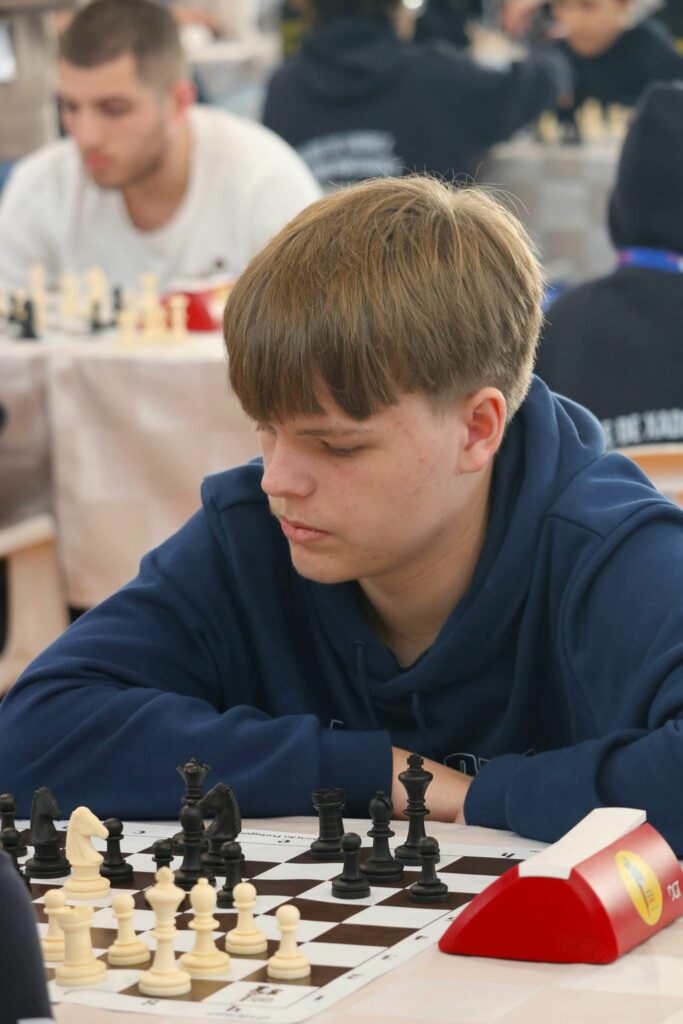
Alongside game analysis, Titus has consistently worked on practical training: calculation exercises, the study of pawn structures, improvement of the decision-making process, and the development of an opening repertoire aligned with his style. Another decisive factor has been his ability to go beyond the training program, seeking additional resources, studying independently in greater depth, and maintaining an active and curious mindset toward learning.
A particularly significant moment in this journey was meeting in person in Lagos, Portugal, where Titus lives. I am from Catania, and after so much work done remotely, it was truly special to finally meet him in person. Spending time with him and meeting his family was a very meaningful experience, which further strengthened the human side of our relationship. These are moments that remind us that, behind the chessboard, there are always people, stories, and shared values.
The result of this structured work is now evident: Titus has approached the 2200 Elo mark, a milestone that represents not only a high level of playing strength, but above all a well-established chess maturity.
What makes this result particularly significant is not so much the speed of the progress—remarkable as it has been—but rather its solidity. Each rating increase has been accompanied by genuine improvement in his play, without shortcuts. This is the kind of improvement that stands the test of time.

For me, as a coach, following Titus’s journey has been extremely rewarding. It is a concrete demonstration of how discipline, consistent work, and independence in study are essential elements for achieving important results. The journey is certainly not over, but the direction is clear: 2200 Elo is not a final destination, but rather a natural milestone in a path built on method and passion.