

blog
Beyond the standings: our youths’ experience at the World Cup in Batumi
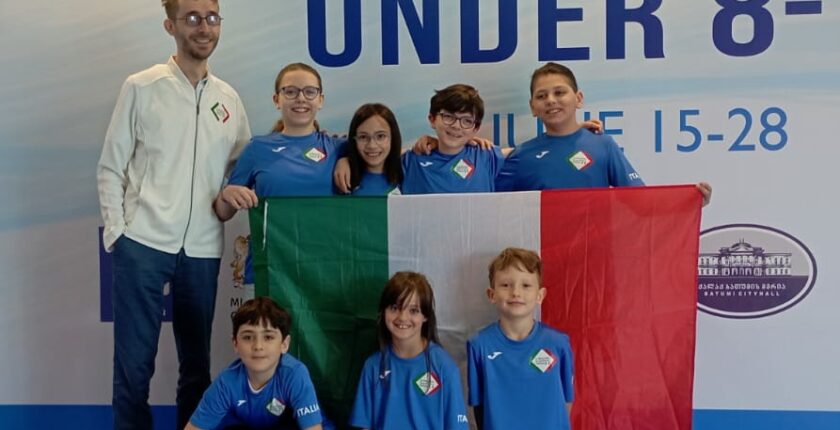
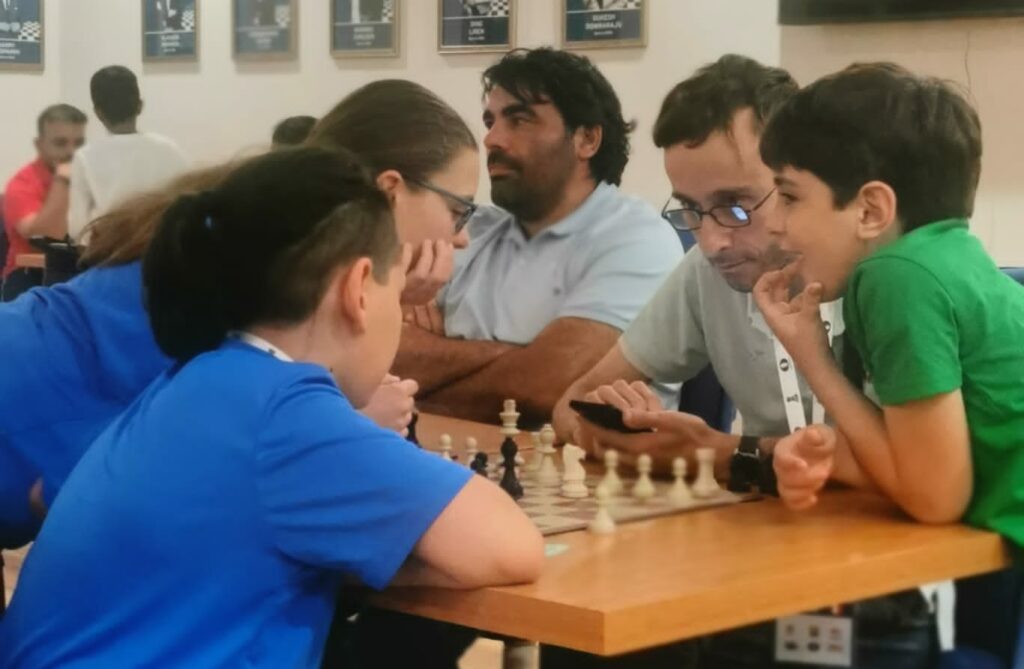
Recently, the young talents we mentor took part in the prestigious World Cup Cadets in Batumi (U8, U10, U12 categories). It was a world-class stage that went far beyond mere competitive results, offering a valuable mirror to the state of our youth development and the directions to take for the future.
A look at the international landscape
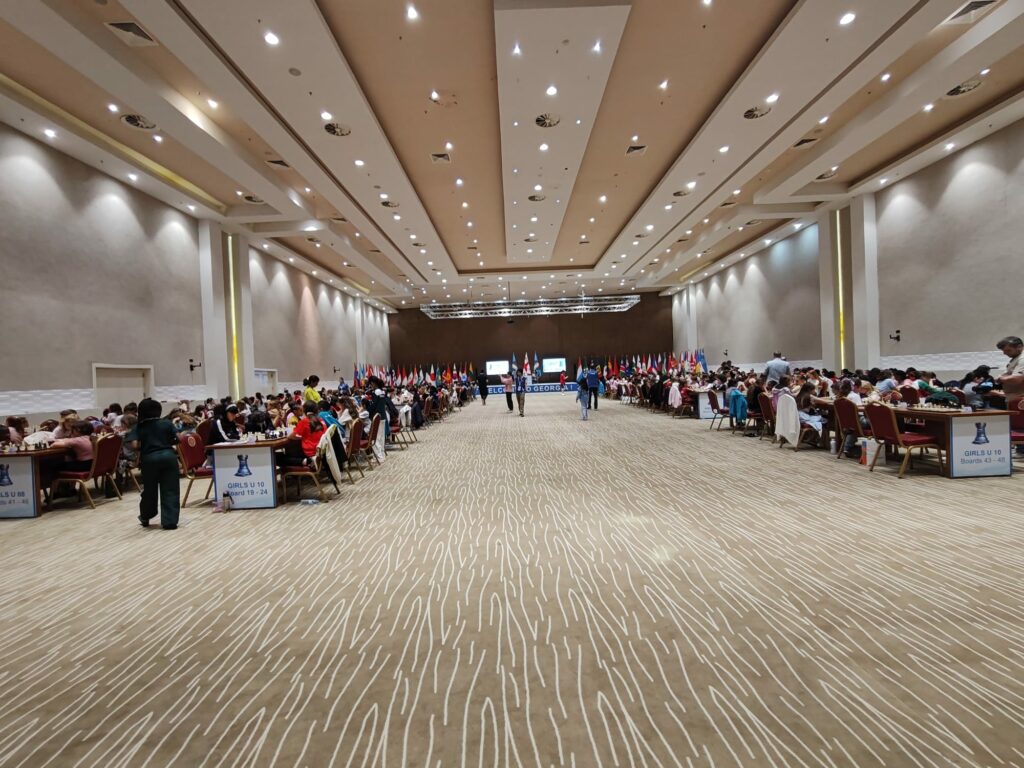
Returning from this trip, the first point that emerges is structural. Analyzing the comparison with foreign delegations, it is clear that the main difference lies in the intensity of practice: while the reality of our local clubs is often limited to one meeting per week, international chess schools often establish a habit of 3–4 sessions per week. This volume of play is the engine that allows one to internalize strategic patterns naturally.
Building thought: beyond “moving the pieces”
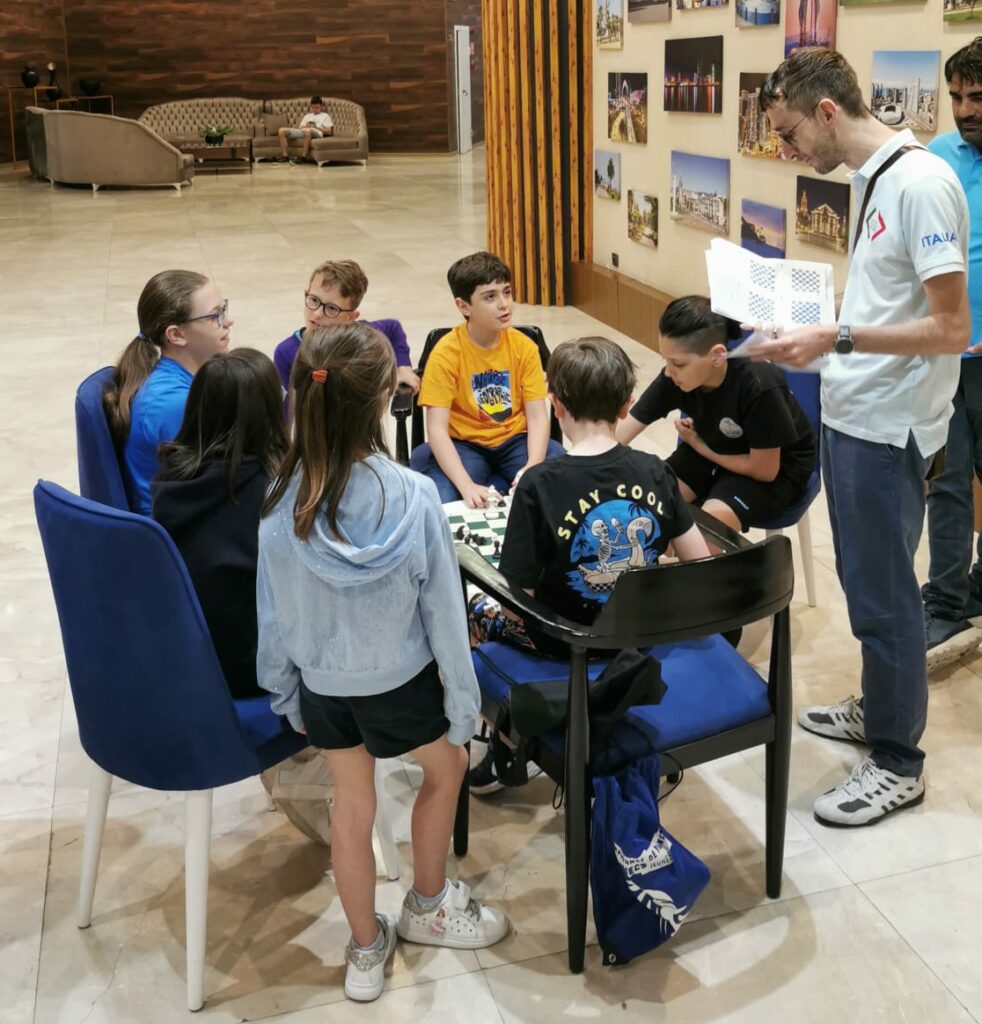
In preparation for the event, our work was not aimed at mere study of openings, but at building the thought process. With the younger ones, the focus shifted to time management: understanding how to think, rather than what to think. We worked on fundamental pillars:
-
Proactivity: Anticipating the opponent’s ideas.
-
Vulnerability: Knowing how to examine one’s own weaknesses and those of the opponent.
-
Depth: Increasing analytical calculation capacity.
These are not just chess skills; they are mental tools that allow the young athlete to make autonomous decisions under pressure.
Analysis and growth: the next steps
The results obtained, which see our kids placing solidly in the middle of the standings, are encouraging and represent a starting point. Analyzing the games, certain strategic errors emerged—typical for their age—related specifically to the evaluation of exchanges in relation to the position’s dynamics, or the management of king safety versus space advantages.
The lesson we bring home is clear: theory is not enough. Constant work on strategic exercises is necessary to metabolize these concepts, making the correct choice feel almost instinctive.
A collective journey
One of the aspects I am most proud of does not concern a single match, but the atmosphere we created. We tried to structure collective training sessions precisely so as not to “isolate” the experience to numerical results. The goal was shared growth, exchange, and mutual support.
Competing in Batumi, engaging with children from all over the world, has enriched the cultural and chess background of each one of them. To the parents and students of Aschess.school, I say this: international experience is an incredible catalyst for growth. We will continue to work on these pillars—method, depth of analysis, and exchange—because every tournament is not a final destination, but a fundamental step in the training path of a true chess player.